

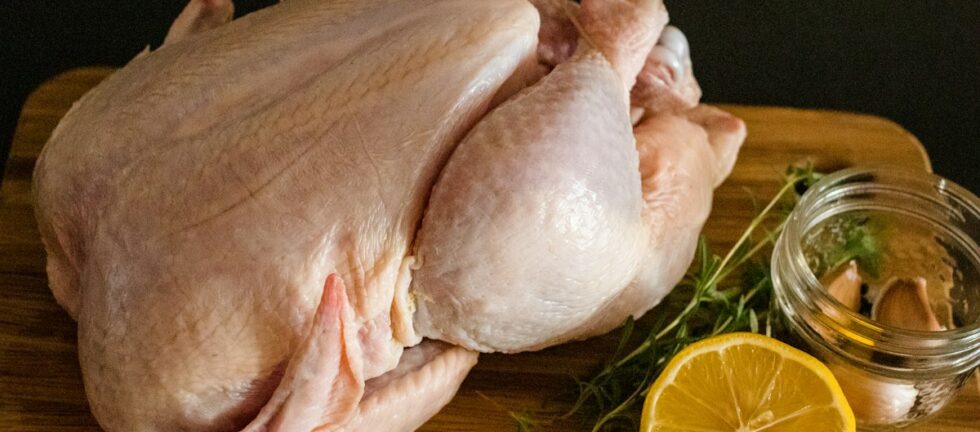
For meat and poultry businesses, halal meat certification is one of the most detailed and scrutinized forms of halal certification. Unlike many processed foods where the concern is mainly ingredients, meat certification goes all the way to the slaughterhouse floor – covering the animal, the method of slaughter, blood drainage, handling, storage, and full traceability.
In this guide, we’ll explain everything you need to know about halal meat certificate requirements, Zabiha slaughter, the difference between halal and non-halal meat processing, costs, and how to get your facility certified correctly.
What Is Halal Meat Certification?
Halal meat certification is the process of verifying that meat and poultry products are prepared in full compliance with Islamic dietary laws. An accredited halal certification body audits the slaughterhouse, reviews procedures, supervises operations, and issues a halal meat certificate confirming that the meat is permissible (halal) for Muslim consumption.
A properly certified halal chicken or halal certified meat product means the animal was alive, healthy, slaughtered by a Muslim in accordance with Islamic guidelines, had its blood fully drained, and was never in contact with haram (forbidden) substances throughout processing, storage, or transport.
Zabiha: The Islamic Method of Slaughter
The term Zabiha (or Dhabiha) refers to the Islamic method of ritual slaughter. This is the heart of all halal meat certification requirements.
Core Zabiha Requirements
For meat to be considered truly Zabiha halal, the following conditions must be met:
- Permissible animal – Only animals allowed in Islam can be slaughtered this way. Permitted livestock includes cattle, sheep, goats, and poultry. Pork is strictly forbidden under all circumstances.
- Healthy animal – The animal must be alive, healthy, and free from obvious defects at the time of slaughter.
- Muslim slaughterer – The person performing the cut must be a sane, adult Muslim who understands the requirements.
- Tasmiyah (Invocation) – The name of Allah must be mentioned at the time of slaughter. The most common recitation is “Bismillah, Allahu Akbar” (“In the name of Allah, Allah is the Greatest”).
- Swift, precise cut – A sharp blade must be used to make one swift cut severing the trachea (windpipe), esophagus (food pipe), and the carotid arteries and jugular veins. The spinal cord must not be cut.
- Complete blood drainage – Blood is considered haram in Islam. After the cut, the animal must be allowed to bleed out completely before any further processing.
- No cruelty or abuse – The animal must not be tortured, beaten, or slaughtered in front of other animals. Restraint methods must minimize stress and suffering.
Halal Slaughter vs Mechanical Slaughter
One of the most debated topics in halal meat certification is the use of stunning and mechanical slaughter systems, especially for high-volume poultry plants.
- Manual slaughter – Traditional hand-slaughter by a trained Muslim slaughterer. This is accepted by nearly all halal certification authorities and is preferred by many communities.
- Mechanical slaughter – Automated or rotary knife systems used in large poultry plants. Many certification bodies allow this if a Muslim is present to perform Tasmiyah on each bird or on the line at regular intervals, the knives are sharp, and full compliance is maintained. However, acceptance varies by market.
- Stunning – Some bodies permit reversible stunning (e.g., electrical head-only stunning that doesn’t kill the bird) while others require non-stun slaughter entirely. If you’re exporting, you must confirm your target market’s requirements before implementing any stunning method.
The Halal Meat Certification Process
Getting halal certified chicken or beef products requires a more intensive audit than dry goods. Here’s the typical process:
1. Pre-Application & Facility Review
The halal certification company reviews your facility layout, species processed, slaughter method, capacity, and intended markets.
2. Documentation Submission
You’ll need to provide slaughter procedures, SOPs for handling, sanitation, segregation, employee records, supplier lists, and details of your Muslim slaughter team.
3. Slaughterhouse Audit
Auditors conduct an on-site inspection covering stunning (if used), knife checks, Tasmiyah, bleeding, scalding, evisceration, chilling, and segregation from non-halal products.
4. Slaughter Supervision Setup
For most certified facilities, a trained halal supervisor or inspector will be assigned to oversee daily operations. This is often a recurring cost, as discussed in our guide on halal certification cost.
5. Certification & Ongoing Monitoring
Once compliant, you’ll receive your halal meat certificate. Random spot checks, monthly reviews, and annual renewals ensure continued compliance.
Key Requirements for a Halal-Certified Meat Facility
Auditors pay extra attention to these critical areas:
Halal Certified Chicken vs Other Meats
Poultry is by far the highest-volume category for halal certified chicken. Due to line speeds (often thousands of birds per hour), maintaining strict compliance requires robust systems.
- Beef & Lamb – Often slaughtered at a slower pace, allowing for more manual oversight. Easier to control, but still requires rigorous documentation.
- Poultry – Requires either well-trained manual teams or tightly supervised mechanical lines. This is where most supervision costs come in.
- Processed meat products – Items like nuggets, sausages, or deli meats require extra scrutiny as they may contain spices, binders, or flavorings that need verification.
Choosing a Halal Meat Certification Body
Not all halal certification companies are equipped to handle slaughterhouse certification. When selecting a halal certification authority, look for:
- Slaughterhouse experience – Proven track record with your species and slaughter method
- Qualified supervisors – Access to trained, reliable Muslim halal inspectors
- Market recognition – Accepted by your export markets (especially critical for Middle East and Southeast Asia)
- 24/7 flexibility – Ability to cover night shifts or high-volume operations
- Clear pricing – Transparent breakdown of audit fees and monthly supervision costs
- Pragmatic approach – Balances strict Shariah compliance with realistic plant operations
Common Mistakes in Halal Meat Certification
- Assuming USDA inspection equals halal – It does not. These are entirely separate systems.
- Using unrecognized bodies – A cheap halal cert that isn’t accepted by your buyer or import authority will be rejected.
- Ignoring transport – Even if slaughter is perfect, using a contaminated truck can render the entire shipment non-halal.
- Poor record keeping – Missing Tasmiyah logs or supervisor reports are one of the most common audit failures.
- Mixing practices – Running halal and non-halal on the same equipment without proper validated cleaning will fail immediately.
- Not planning for supervision costs – Many businesses budget for the certificate but are surprised by ongoing monthly inspector fees.
Final Thoughts
Halal meat certification is the gold standard for accessing the global halal meat market. Done correctly, it builds trust with Muslim consumers, satisfies strict import regulations, and opens doors to some of the world’s most valuable markets.
The key is working with an experienced halal certification body that understands both the religious requirements and the realities of modern meat processing. Focus on compliance from day one, document everything, and never cut corners on supervision.
Get Your Halal Meat Certification Started
Ready to become a trusted supplier of halal certified meat or halal certified chicken? Our team specializes in slaughterhouse certification with full market recognition.
👉 Start Your Halal Meat Certification Application
Circle H International – Trusted Halal Meat Certification. Certified with Confidence.
Ready to Certify Your Products with Circle H International?
Join hundreds of global manufacturers who trust Circle H International for globally recognized Halal certification under GSO, SMIIC, and ISO/IEC 17065 standards. Our expert technical auditors guide you through every step of the compliance journey.
