

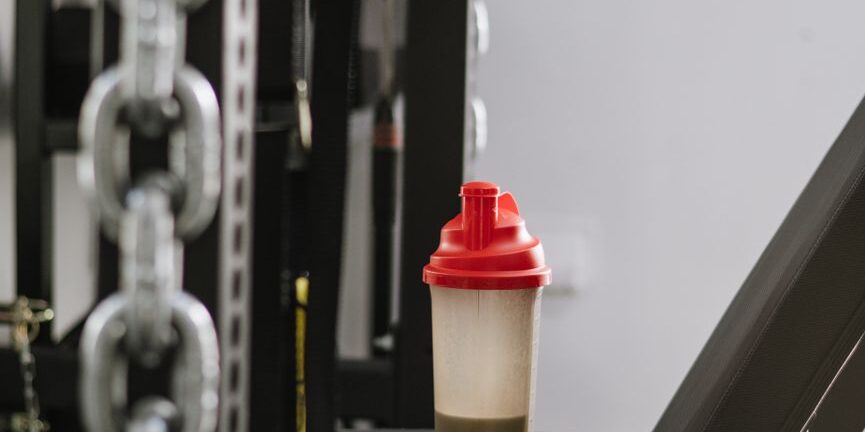
A supplement brand does everything right by conventional measures: strong formulation, competitive pricing, sharp packaging, growing reviews. Then its best selling protein stalls. A Gulf distributor asks for halal documentation the brand cannot produce. A marketplace listing in Southeast Asia underperforms because a certification filter it never thought about keeps the product invisible. And in gyms from Cairo to Kuala Lumpur, the exact consumer the product was built for keeps choosing a weaker competitor, because the competitor can prove something this brand can only claim. This is the quiet crisis of the sports nutrition industry: an enormous Muslim consumer segment that wants these products and cannot verify them. This article explains where the real halal risks hide in proteins and supplements, what credible certification actually examines, and how brands that do the verification work are converting trust into durable market share.
1. The Gym Bag Question
A young athlete in Jakarta, Jeddah, or Dearborn stands in front of a supplement shelf and turns the tub around. The label lists whey concentrate, natural flavors, and an emulsifier. The question she is asking is not about macros or price. It is whether the whey was precipitated with an animal derived rennet she cannot accept, whether the flavor carrier contains alcohol, whether the capsule shell is porcine gelatin, and whether anyone credible has checked. Multiply that moment by the hundreds of millions of Muslim consumers now participating in the global fitness culture, and you begin to see why halal sports nutrition has moved from a niche curiosity to one of the most consequential open segments in the food industry.
1.1 A Market Caught Between Two Growth Curves
Sports nutrition is one of the fastest growing categories in packaged food, propelled by gym culture, endurance sport, and the mainstreaming of protein supplementation far beyond competitive athletes. Muslim majority markets are simultaneously among the youngest and fastest urbanizing consumer populations in the world. The intersection of these two curves produces an enormous addressable market that conventional supplement brands have mostly served by accident, with products whose halal status is ambiguous, undocumented, or simply assumed. Ambiguity is not a position a faith driven consumer can settle for, and it is not a position a serious brand should want to defend.
1.2 The Faith Dimension of Performance
For Muslim athletes, dietary law is not a lifestyle preference layered on top of training. It is a non negotiable frame within which training happens. Fasting cycles around Ramadan already demand sophisticated nutrition planning, and observant athletes routinely consult sports dietitians on how to time protein intake around dawn and sunset. A supplement whose permissibility is uncertain does not merely lose a sale. It forces the athlete to choose between religious obligation and performance goals, a choice no brand should ever ask a customer to make.
2. Protein Under the Microscope
The technical heart of the category is protein, and each major protein source carries its own halal questions. The answers determine formulation, sourcing, and ultimately certification strategy.
2.1 Whey: The Rennet Problem
Whey dominates sports nutrition because it is effective, affordable, and well studied. Its halal status, however, hinges on the cheese making process upstream. Whey derived from cheese coagulated with microbial or plant based rennet raises few concerns. Whey from processes using porcine pepsin or non halal animal rennet is a different matter. Because commodity whey moves through global trading channels with limited process visibility, a brand cannot answer the rennet question by assumption. It requires documented verification from the whey supplier, and where that documentation does not exist, certification cannot honestly be claimed. Industry guides on halal whey consistently identify rennet sourcing and processing aids as the decisive checkpoints.
2.2 Collagen, Gelatin, and Capsule Shells
The fastest growing protein adjacent ingredients are precisely the ones with the hardest halal problems. Collagen peptides are typically bovine, porcine, or marine, and the source animal’s slaughter status is inseparable from the ingredient’s permissibility. Gelatin appears in capsule shells, gummies, and recovery products, and porcine gelatin remains the industry’s default wherever cost pressure rules. Softgel shells, amino acid fermentation substrates, and even some vitamin D sources carry parallel questions. A halal sports nutrition line is therefore not a labeling exercise. It is an ingredient by ingredient audit that reaches back into upstream processing most brands have never examined.
2.3 Amino Acids and Fermentation Substrates
Branched chain amino acids, creatine companions like beta alanine, and the glutamine in recovery blends are produced largely through fermentation, and fermentation has a feedstock question. The microorganisms that produce these ingredients are fed on media that may contain animal derived peptones of unclear origin, and purification trains may use processing aids that never reach the label. Reputable ingredient suppliers can declare these details on request. Brands that ask the question get documents. Brands that never ask are shipping unknowns with a promise attached.
3. The Hidden Ingredient Problem
Beyond the headline proteins, the supplement industry runs on excipients: flow agents, emulsifiers, flavor carriers, coating systems, and processing aids that never appear in marketing copy. Many of these have animal or alcohol origins, and almost none of them are visible to the consumer. Nutrition industry observers have warned repeatedly that halal consumers face their highest risk in exactly this blind spot, where the main ingredient looks acceptable while a minor component breaks permissibility.
3.1 Cross Contamination in Shared Facilities
Contract manufacturing adds a second layer. Most supplement brands do not own their plants; they produce in shared facilities that may also handle porcine gelatin, alcohol based tinctures, or non certified animal ingredients on adjacent lines. Halal standards including GSO 2055-1 and OIC/SMIIC 1 address this directly through segregation and sanitation requirements, and certification audits examine cleaning validation, line changeover records, and storage separation. A brand that has never asked its contract manufacturer these questions does not know the halal status of its own product, whatever the label says.
3.2 The Verification Gap in Retail
Market data on halal nutritional supplements shows a category expanding quickly but unevenly, with genuine certified products competing against products whose halal claims rest on nothing more than ingredient intuition. Consumers have learned to be suspicious, and their suspicion is rational. The brands that will own this category are the ones that close the verification gap with third party certification and make that verification visible on the pack, not the ones that add a crescent to the artwork and hope.
4. Certification as Market Access
The commercial case for certification in this category is unusually clean, because the buyer is unusually motivated. A Muslim consumer who finds a credible certified protein does not comparison shop on price against an uncertified alternative. They buy, they stay, and they tell their training partners.
4.1 What Certification Actually Examines
A serious halal audit of a sports nutrition product traces every ingredient to its source: the rennet system behind the whey, the species and slaughter status behind collagen and gelatin, the solvent systems behind flavors, the origin of vitamin and amino acid inputs, and the sanitation regime of every shared line. It then verifies that the management system keeps those controls alive between audits. Case studies from established nutrition manufacturers show the pattern: companies that pursued certification early, such as Abbott Nutrition’s long documented halal program, converted certification from a cost into durable market leadership in Muslim majority regions.
4.2 The Export Multiplier
Certification also determines where a product can be sold at all. Major halal import markets increasingly condition entry on recognized certification, and protein ingredients are no exception: market analyses of halal certified protein hydrolysates project sustained growth driven precisely by regulatory and retail demand for verified inputs. For a supplement brand with export ambition, certification is not the premium option. It is the boarding pass.
4.3 Retail and Platform Dynamics
Distribution is reinforcing the shift. Pharmacy chains and grocery retailers across the Gulf and Southeast Asia increasingly allocate supplement shelf space to certified products, and cross border online marketplaces are adding halal filters that uncertified products simply cannot pass. The certification mark has become a discovery mechanism as much as an assurance one: in a crowded online catalog, the certified badge is what gets the click from a consumer who has been disappointed before. Visibility flows toward the verifiable.
5. Building a Halal Sports Nutrition Line
For manufacturers entering the category, the sequence matters more than the speed. The brands that succeed treat formulation, sourcing, and certification as one project from day one.
5.1 Formulation Decisions That Pay Later
The cheapest halal compliance is the compliance designed into the formula. Choosing microbial rennet whey from the start, specifying bovine or marine collagen with documented slaughter provenance, replacing gelatin capsules with cellulose shells, and qualifying alcohol free flavor systems costs little at the design stage and saves the entire cost of reformulation, requalification, and relabeling later. Every one of these decisions is easier before the first production run than after the first retail listing.
Ingredient strategy also shapes the product portfolio itself. Plant based proteins such as pea, rice, and fava isolate bypass most animal origin questions entirely, and fermented precision proteins are arriving with clean permissibility profiles. A blended portfolio, certified animal derived proteins where performance demands them and plant based options where simplicity wins, lets a brand serve the whole market while keeping the certification file manageable. The point is not to avoid the hard ingredients. It is to choose each one deliberately, with its verification path already mapped.
5.2 Preparing for the Audit
Audit readiness is mostly documentation readiness: supplier declarations for every ingredient, specification sheets that identify origin and processing aids, sanitation procedures for shared equipment, and batch records that trace inputs to finished lots. Brands that assemble this file before engaging a certification body move through the process in weeks. Brands that begin gathering documents after the application discover, one missing declaration at a time, how opaque their own supply chain has been. The audit is rarely the hard part. Knowing your own inputs is.
Timing strategy matters as well. Ramadan compresses the category’s calendar into a distinctive rhythm: training moves to late evening, supplement use concentrates around iftar and suhoor, and demand for convenient certified nutrition peaks. Brands that plan production, certification validity, and marketing around this rhythm meet the consumer at the moment of highest intent. Brands that treat the calendar as an afterthought watch the season from the sidelines.
5.3 The Role of Endorsement and Community
Muslim athletes and fitness creators have become the category’s most credible distribution channel. An endorsement from an athlete who visibly observes fasting, prayer, and dietary law carries conversion power that conventional advertising cannot buy, because it resolves the trust question instantly for an entire following. Brands that earn these endorsements do it through verification, not free product: the athletes themselves check certificates before attaching their names. The lesson generalizes. In this category, every credible voice a brand wins was won by evidence first.
6. The Opportunity in Front of the Category
Sports nutrition is where the halal economy meets the wellness economy, and the meeting is still in its opening minutes. The consumers are young, growing in number, digitally connected, and loyal in proportion to the trust they are shown. The technical questions, rennet systems, gelatin sources, excipient origins, and facility segregation, all have known answers and known verification methods. What the category lacks is not knowledge but committed brands willing to do the verification work and stand behind it with certification.
The athlete reading the label in the gym is not asking for very much. She is asking to know. The brand that lets her know, credibly and consistently, wins the category.
Sources and Further Reading
- Halal Expo, Is Whey Protein Halal? Complete Ingredient and Certification Guide
- Salaam Gateway, Pursuing Health Through Nutraceuticals, but Halal Consumers Beware
- Salaam Gateway, Case Study: Halal Certification the Right Thing to Do, Abbott Nutrition
- Research and Markets, Halal Certified Protein Hydrolysates Market Report
Circle H International
Get Your Sports Nutrition Products Halal Certified
Circle H International certifies proteins, supplements, and functional nutrition products against international halal standards, from ingredient provenance to facility segregation, opening one of the fastest growing segments in the halal economy.
