

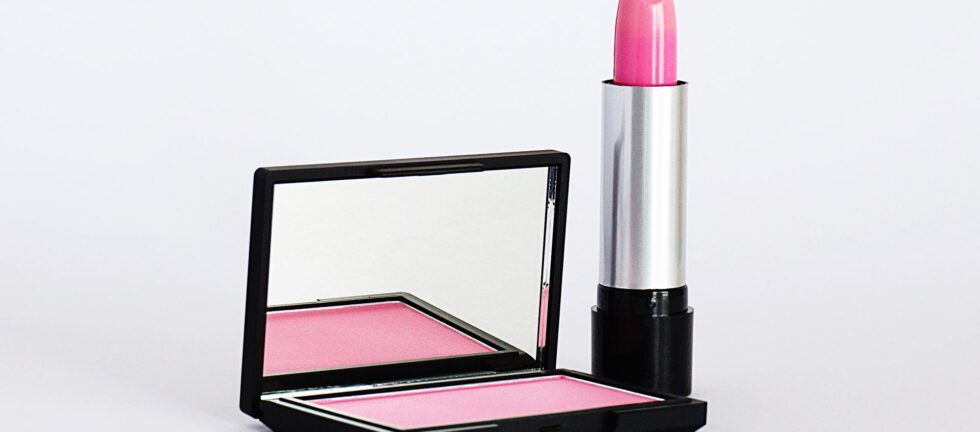
complex and regulatory-intensive segment of halal personal care. Unlike moisturizers or cleansers,
color products derive their core performance characteristics from pigments and nacre agents whose
biological origins are frequently insect-, animal-, or coal-tar-derived. This guide provides
formulators, procurement officers, and certification auditors with the technical depth needed to
assess and certify every colorant class under OIC/SMIIC 4:2019 and GSO 2055-4.
1. Carmine (CI 75470 / E120) The Insect Pigment in Your Lipstick
Carmine is a vivid red pigment extracted from the dried female cochineal insect (Dactylopius coccus), native to South America. Approximately 70,000 insects are required to produce one kilogram of carmine. Despite its natural origin, carmine is classified under INCI as Carmine or CI 75470 and may also appear as Cochineal Extract, Natural Red 4, or under the food code E120.
Under the consensus of leading Islamic jurisprudence councils including JAKIM (Malaysia), ESMA (UAE), MUI (Indonesia), and OIC/SMIIC insects are not among the permissible (halal) animal classes. Carmine derived from cochineal insects is therefore categorically haram in halal-certified cosmetics, regardless of whether the product is rinse-off or leave-on.
1.1 Why Carmine Is So Prevalent
The cosmetics industry prizes carmine for its exceptional light stability, heat resistance, and intensity no synthetic dye matches its vibrant crimson at equivalent concentration. This makes reformulation costly. Major lipstick brands may contain up to 12% w/w carmine in a single shade. Consumers rarely notice it because INCI labeling uses the neutral term “CI 75470” rather than “crushed beetles.”
1.2 Halal-Compliant Red Pigment Alternatives
🍔 Lycopene (CI 75125)
Tomato- or algae-derived carotenoid. Delivers warm red-orange tones. Heat-sensitive; requires microencapsulation for press powder stability. 100% plant-origin, halal-certified.
🍊 Beetroot Extract (Beta vulgaris)
Rich in betanin and indicaxanthin pigments. Delivers vivid fuchsiamagenta. Limited pH and light stability; ideal for natural/clean beauty lipsticks with antioxidant claims.
🏥 Iron Oxides (CI 77491/77492/77499)
Synthetic mineral pigments. Fully inorganic, no biological contamination risk. Halal-compliant across all standards. The industry’s preferred replacement for carmine in mass-market products.
◌ Allura Red AC (CI 16035) Synthetic
Petroleum-derived azo dye. Halal status: permissible (no animal origin). Note: restricted in EU leave-on products; verify regional regulatory acceptance before use.
2. D&C Dyes Coal-Tar Pigments and Their Halal Risk Profile
D&C dyes (Drug & Cosmetic dyes) are a large class of synthetic colorants approved by the US FDA for use in drugs and cosmetics. They are predominantly derived from coal tar or petroleum naphthalene fractions and include azo dyes, triphenylmethane dyes, xanthene dyes, and anthraquinone dyes.
Unlike carmine, most D&C dyes carry no direct animal origin risk. However, their halal assessment is complicated by:
1. Animal-based media in production fermentation some lake pigments use gelatin as a carrier or stabilizer.
2. Carmine co-formulation many “red palette” D&C blends incorporate carmine as a brightness booster without separate declaration.
3. Processing aid contamination bone char filtration during certain dye purification stages can introduce non-halal carbon.
| D&C Dye | Color Index | Halal Risk | Primary Risk Factor | Circle H Protocol |
|---|---|---|---|---|
| D&C Red No. 6 | CI 15850 | Medium Risk | Azo dye; possible animal lake carrier | Supplier Declaration + CoA |
| D&C Red No. 7 | CI 15850:1 | Medium Risk | Calcium salt lake; check gelatin binder | Lake-free version preferred |
| D&C Red No. 27 | CI 45410 | Halal Safe | Synthetic xanthene; no animal vectors | Standard CoA sufficient |
| D&C Red No. 33 | CI 17200 | Halal Safe | Synthetic azo; vegetable media confirmed | Standard CoA sufficient |
| D&C Yellow No. 5 (Tartrazine) | CI 19140 | Halal Safe | Fully synthetic; no biological risk | Standard CoA sufficient |
| D&C Blue No. 1 (Brilliant Blue) | CI 42090 | Halal Safe | Synthetic triphenylmethane | Standard CoA sufficient |
| D&C Black No. 2 (Carbon Black) | CI 77266 | Medium Risk | Bone char carbon source in some grades | Petroleum-origin grade required |
3. Pearlescent Agents Bismuth Oxychloride, Mica, and Fish Scale Nacre
Pearlescent pigments give lipstick, eyeshadow, and highlighter their characteristic shimmer. The three dominant systems in cosmetic formulation are:
3.1 Bismuth Oxychloride (CI 77163)
A synthetic inorganic compound produced by reacting bismuth a byproduct of lead and copper ore refining with hydrochloric acid. Delivers a soft, satiny, skin-tone-neutral shimmer. 100% mineral origin, halal-permissible under all major Islamic standards. The only concern is trace heavy metal content (lead, arsenic), which is a regulatory issue, not a halal issue.
3.2 Synthetic Fluorophlogopite (Synthetic Mica)
Laboratory-grown mica crystals coated with titanium dioxide and/or iron oxides. Unlike natural mica (which may contain trace child-labor mining concerns), synthetic mica is produced in controlled reactors. Halal status: Permissible no biological origin, full traceability, and consistent purity profiles.
3.3 Natural Pearl Essence / Fish Scale Nacre (Guanine, CI 75170)
Extracted from the silvery scales of fish species including herring (Clupea harengus) and other cold-water species. The extraction uses solvent stripping of live or killed fish scales. The resulting guanine crystal suspension delivers a natural deep shimmer valued in premium cosmetics.
Fish are inherently halal animals. However, the permissibility of fish-scale guanine in cosmetics depends on:
- Whether the fish were slaughtered/killed in an Islamic-permissible manner (scholarly debate exists; Hanafi school requires this)
- Whether solvent residues (acetone, ethanol) remain in the final extract
- Whether non-halal fish species were included in the blend
Circle H recommends obtaining species-specific documentation and preferring synthetic mica or bismuth oxychloride for certainty.
| Pearlescent Agent | CI Number | Origin | Halal Status | Recommended Test |
|---|---|---|---|---|
| Bismuth Oxychloride | CI 77163 | Mineral | Permissible | XRF heavy metals |
| Synthetic Mica + TiO₂ | CI 77019 | Lab-synthesized | Permissible | Synthesis route CoA |
| Natural Mica + TiO₂ | CI 77019 | Mined mineral | Permissible | Standard CoA |
| Fish Scale Guanine | CI 75170 | Fish (Herring) | Conditional | Species ID + solvent residue |
| Carmine-Pearl Blends | CI 75470 blend | Insect + Mineral | Haram | HPLC-DAD carminic acid |
4. The Circle H Color Cosmetics Certification Audit Protocol
INCI Mapping & Risk Classification
Every INCI entry in the full formula is mapped against the Circle H Restricted Substances List (RSL) and classified: Permissible, Conditional, or Prohibited.
Supplier Declaration of Conformity (DoC)
Each pigment supplier provides a signed DoC specifying the precise origin pathway, processing aids used, and the absence of carmine, gelatin carriers, and bone char.
Laboratory Testing
High-Performance Liquid Chromatography with Diode Array Detection (HPLC-DAD) is used to screen for carminic acid. DNA-PCR tests screen for insect and porcine DNA in complex blended pigments.
Factory Audit & Segregation Verification
On-site or remote audit of pigment grinding and blending lines to confirm no cross-contamination between carmine-containing and halal product runs.
Halal Certificate Issuance
Upon successful completion of all phases, Circle H International issues product-specific halal certificates recognized across OIC member states.
Certify Your Color Cosmetics with Circle H International
From lipstick shades to eyeshadow palettes, our technical team analyzes every pigment, dye, and pearlescent agent in your formulation and delivers globally recognized halal certification under OIC/SMIIC 4:2019 and GSO 2055-4.
