

INTRODUCTION: THE CONVERGENCE OF GLOBAL VALUES
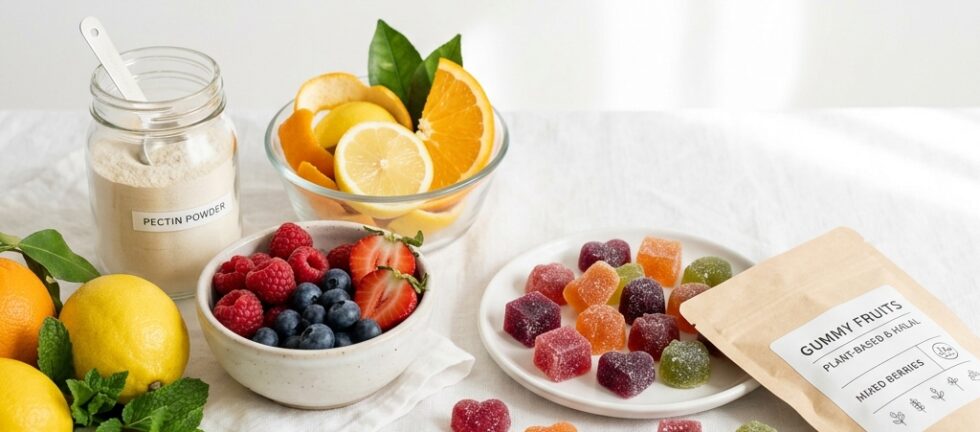
The global food industry is currently witnessing a powerful convergence of two of the most significant consumer movements of the 21st century: the rise of plant-based (vegan) lifestyles and the expansion of the global Halal economy. While these two markets originated from different primary motivations—one largely driven by ethical and environmental concerns, the other by religious and spiritual requirements—they have found a profound and highly lucrative common ground. Both demographics are unified by a search for purity, transparency, and a total avoidance of specific animal-derived ingredients and “mystery” additives.
In the United States, this convergence is particularly evident in the confectionery sector. As consumers move away from products with complex, opaque ingredient lists and toward “Clean Label” options, the demand for plant-based Halal sweets has reached an all-time high. For the savvy business owner or marketing executive, this represents a unique “Double-Dip” opportunity. You can now appeal to two of the fastest-growing market segments in the world with a single, high-quality product line.
The transition to plant-based Halal is not just a trend; it is a fundamental shift in how food is produced and marketed. Brands that understand this synergy are positioning themselves at the center of the “Conscious Consumer” movement, building brand equity that is both ethically sound and financially rewarding.
MARKET DATA: THE VEGAN-HALAL SYNERGY IN THE UNITED STATES
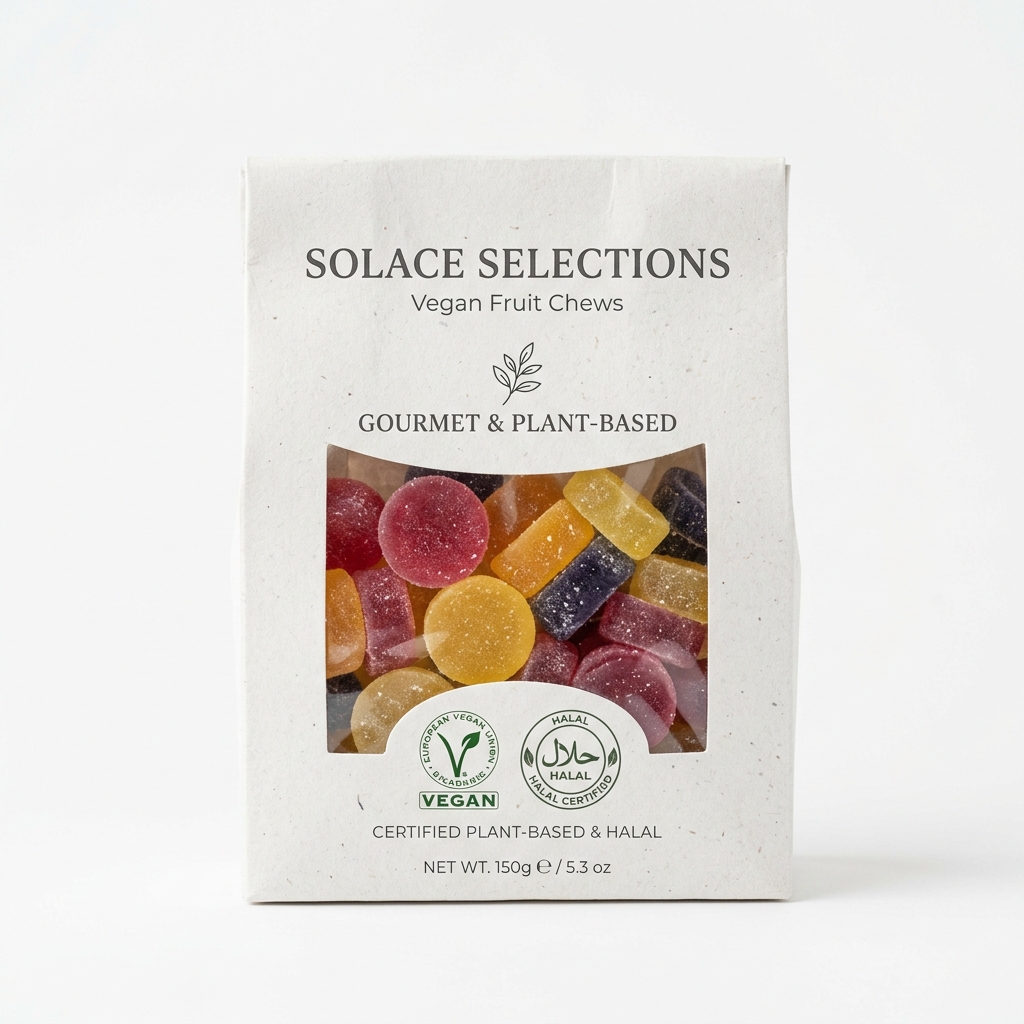
The search data for the US market highlights this powerful synergy. Keywords like “is vegan candy Halal?”, “gelatin-free gummies,” and “pectin-based Halal sweets” are seeing high volumes of overlapping traffic. Our analysis of search engine trends shows that a significant portion of consumers who search for “Halal” products are also interested in “Vegan” or “Plant-based” options, and vice versa.
THE SCALE OF THE DUAL OPPORTUNITY
The plant-based food market in the United States is already a multi-billion dollar industry with an exceptionally high penetration among Millennials and Gen-Z. These are the “Deciders” of today’s market. Simultaneously, the US Halal market is a massive and growing powerhouse with deep consumer loyalty and significant spending power.
When a brand offers a product that is both plant-based and professionally Halal-certified by Circle H International, they are effectively removing the purchase barriers for over 25% of the potential US consumer base. This isn’t just about religious or ethical “niches”—it’s about the “Modern American Consumer” who values ethical sourcing, transparency, and purity above all else.
In metropolitan hubs and university towns across the US, the demand for “Certified Inclusive” snacks is skyrocketing. From campus vending machines to high-end grocery chains like Whole Foods and Erewhon, the absence of a “Dual-Certified” option is a glaring gap that represents a massive revenue opportunity for early movers.
CONSUMER INSIGHTS: PURITY AS THE PRIMARY DRIVER OF CHOICE
The psychology of both the Vegan and the Halal consumer is rooted in a desire for total control over what they consume. They share a deep skepticism of industrial food processing and a preference for “back to basics” ingredients.
1. THE SUPER-FILTER EFFECT
For the Halal consumer, “Vegan” is often seen as a secondary safety signal. If a product is vegan, it inherently lacks porcine gelatin and other prohibited animal-derived emulsifiers. However, the “Vegan” label alone is not enough for the discerning Halal shopper. Many vegan products use alcohol-based flavors, specific enzymes, or processing aids that might not meet the strict standards of Halal. This is where the dual certification becomes critical. A product that is both Vegan and Halal-certified by Circle H International provides the ultimate “Peace of Mind” guarantee.
2. THE HEALTH-CONSCIOUS OVERLAP AND CLEAN LABEL DEMAND
Both demographics are highly conscious of the “Clean Label” trend. They want to see ingredients they recognize—like fruit pectin, agar-agar, natural fruit juices, and plant-derived colors—rather than complex chemical additives or “Natural Flavors” of unknown origin. By formulating for both markets, brands are naturally aligning themselves with the “Premium/Health” segment of the confectionery aisle, which commands significantly higher price points and better shelf placement.
3. ETHICAL BRANDING AND SOCIAL RESPONSIBILITY
Consumers in these segments are looking for brands with a story and a soul. A company that respects both the ethical concerns of vegans and the spiritual requirements of Muslims is seen as a socially responsible, inclusive, and forward-thinking organization. This type of brand equity is invaluable in a market where “trust” has become the most expensive and elusive currency.
THE CERTIFICATION JOURNEY: FORMULATING FOR DUAL COMPLIANCE
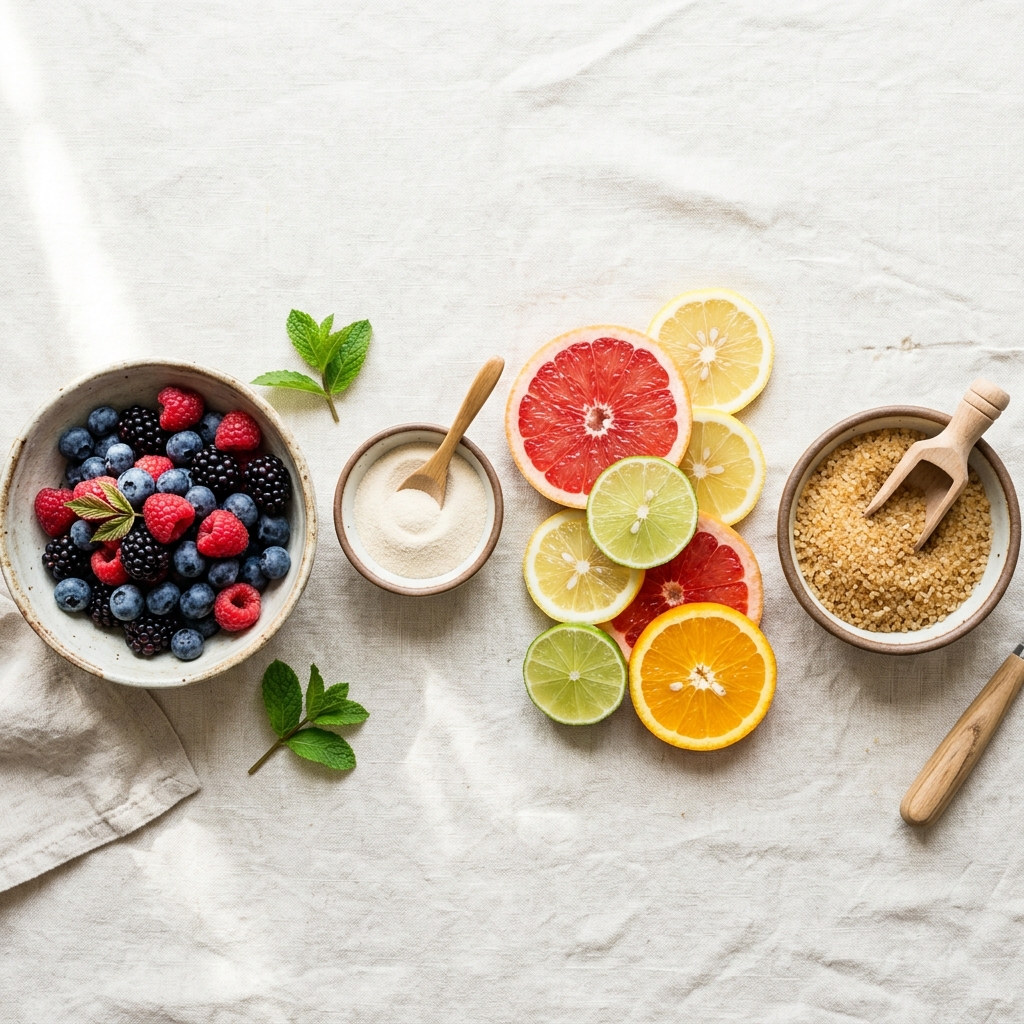
Navigating the technical requirements for both plant-based and Halal standards is a path to operational excellence. It forces a brand to truly understand its supply chain from the ground up.
- INGREDIENT SUBSTITUTION AND INNOVATION: Moving away from animal-derived gelatin to high-performance plant-based alternatives like Pectin (from citrus or apples), Agar-Agar (from seaweed), or Carrageenan is the first step. Circle H International works with your R&D and procurement teams to ensure these alternatives are sourced from certified and ethical suppliers.
- COLORING AGENTS AND DYES: Many “natural” red dyes used in the industry are made from crushed insects (carmine). These are not vegan and are a point of debate in Halal standards. Switching to beet-based, radish-based, or high-quality synthetic dyes ensures that your product is 100% compliant for both markets.
- PROCESSING AIDS AND SUB-INGREDIENTS: Some sugar refining processes use bone char, which is a major concern for vegans. Ensuring that your entire supply chain uses “Bone Char Free” and Halal-compliant processes is a core part of the Circle H audit. We look at the “Hidden Ingredients” that other certifiers might miss.
The result of this journey is a product that is not just “compliant” but “superior” in terms of ingredient quality, traceability, and consumer appeal. It is a product built for the 21st-century market.
B2B PIVOT: SCALING YOUR REACH WITH CIRCLE H
From a business growth and sales perspective, the “Plant-Based Halal” strategy is a masterstroke of market positioning.
- CATEGORY FLEXIBILITY AND SHELF PRESENCE: Your product can now sit in multiple sections of the retail environment. It belongs in the “Vegan/Health” aisle, the “International” aisle, and the “Premium Confectionery” aisle. This increased “Total Shelf Presence” translates directly to higher sales and brand recognition.
- SIMPLIFIED INVENTORY AND GLOBAL SKUS: Instead of maintaining multiple separate SKUs for different markets, one high-quality, dual-certified product can serve everyone. This reduces complexity in manufacturing, storage, and distribution, leading to a leaner and more profitable operation.
- GLOBAL RECOGNITION AND EXPORT ADVANTAGE: The Circle H logo is a globally recognized mark of integrity. For an American brand looking to export, having a “Vegan-Halal” product is the ultimate “Golden Ticket.” It allows you to enter both European markets (where vegan demand is high) and Middle Eastern/Asian markets (where Halal demand is high) with a single, compliant, and trusted brand.
THE FINANCIAL IMPACT: CAPTURING THE CONSCIOUS CONSUMER
Market research indicates that “Conscious Consumers” are less price-sensitive than the average shopper. They are willing to pay a 15% to 25% premium for products that carry verified certifications they trust. For a manufacturer, this means higher margins and a more resilient customer base that is less likely to switch to a cheaper, non-certified competitor.
CONCLUSION: THE FUTURE OF CONFECTIONERY IS INCLUSIVE
The confectionery industry is evolving rapidly. The days of “mystery ingredients” and exclusive marketing are coming to an end. The brands that will dominate the next decade are those that understand the power of values-based consumption and the massive synergy between different global standards of purity.
By embracing the rise of plant-based Halal confectionery, you are positioning your brand at the very center of a global movement toward ethics, health, and inclusivity. Let Circle H International be your partner in this transformation. We provide the expertise, the professional audit, and the certification that turns your values into a powerful and lasting competitive advantage. The future is here—let’s make it plant-based and Halal.
FREQUENTLY ASKED QUESTIONS ABOUT PLANT-BASED HALAL CONFECTIONERY
1. QUESTION: IS EVERY VEGAN PRODUCT AUTOMATICALLY HALAL?
ANSWER: No. While vegan products avoid animal ingredients, they may still contain alcohol-based flavorings, specific processing aids, or enzymes that do not meet Halal standards. “Vegan” focuses on the absence of animal products, while “Halal” is a broader standard that includes the source of all ingredients and the integrity of the entire production process. Dual certification from Circle H is the only way to guarantee compliance for both.
2. QUESTION: WHAT ARE THE BEST PLANT-BASED ALTERNATIVES TO GELATIN FOR HALAL GUMMIES?
ANSWER: Pectin is currently the most popular choice for “Clean Label” gummies as it provides a great flavor release. Agar-Agar and Carrageenan are also excellent for different textures. Modern formulations often use a blend of these plant-based hydrocolloids to achieve the exact chewy texture that consumers love, all while being 100% Halal and Vegan.
3. QUESTION: WHY DO SOME CANDIES USE INSECTS FOR COLOR, AND IS THIS HALAL?
ANSWER: Carmine (or Cochineal) is a common red dye derived from insects. It is not vegan, and its Halal status is a subject of debate among scholars. To ensure universal appeal and total compliance, Circle H International recommends using plant-based red dyes from sources like beets or black carrots, which are both Vegan and Halal.
4. QUESTION: HOW DOES “BONE CHAR” IN SUGAR AFFECT HALAL AND VEGAN STATUS?
ANSWER: Some sugar refineries use bone char from animal bones as a decoloring filter. This is a major concern for vegans and can be an issue for Halal certification if the source of the bones is not verified. A Circle H audit involves checking the sugar supply chain to ensure that only compliant refining processes are used, maintaining the purity of the final confection.
5. QUESTION: CAN A PLANT-BASED HALAL STRATEGY HELP WITH EXPORTING TO EUROPE?
ANSWER: Yes. Europe has one of the highest densities of vegan and vegetarian consumers in the world. An American brand that is both plant-based and Halal-certified is seen as a premium, high-quality product that meets the most rigorous standards of purity. This makes it much easier to secure distribution in major European health food and mainstream retail chains.
Grow Your Business with Global Halal Certification
Connect with millions of new consumers and ensure your products meet the highest standards of purity. Let Circle H International guide you through a seamless certification journey.