

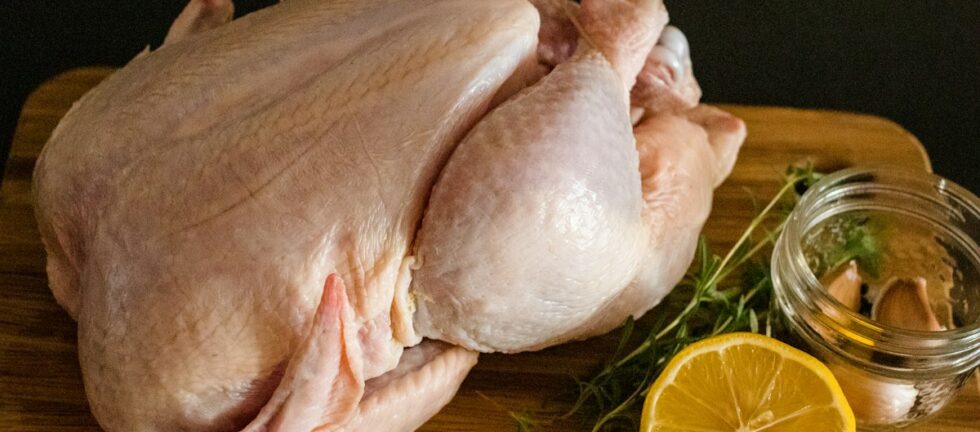

Within the multitrillion-dollar global Islamic economy, no market vertical commands as much consumer scrutiny, religious sensitivity, and regulatory oversight as the meat and poultry sector. While packaged goods often hinge on micro-ingredients and emulsifier compliance, the trade in livestock, red meat, and broilers touches the core theological boundary separating lawful sustenance from strict prohibition. For multinational protein processors, abattoirs, and global agribusiness exporters, securing a recognized halal meat certification is not merely a label of convenience; it is a rigorous, auditable verification of humane animal husbandry, exact physical slaughter rites, and untainted cold-chain logistics.
From the high-volume beef export corridors of South America and India to advanced automated poultry processing complexes in North America and Europe, meeting modern halal certification requirements demands adherence to harmonized international technical codes, principally GSO 993 across the Gulf Cooperation Council and OIC/SMIIC 1 throughout OIC member states. This definitive industry analysis explores the theological imperatives of Zabiha slaughter, examines critical processing debates (including electrical stunning and automated rotary blades), and demonstrates how institutional assurance through Circle H International guarantees absolute market clearance and consumer trust.
1. The Sacred Architecture of Zabiha: Scriptural Foundations
In Islamic legal theory (Fiqh), the consumption of animal protein is granted as a specific divine dispensation rather than an unconditional entitlement. Consequently, the act of slaughtering a lawful animal (such as cattle, sheep, goats, or poultry) transforms it into permissible sustenance only when performed in accordance with precise, non-negotiable spiritual and physical parameters known as Zabiha (الذبيحة الشرعية).
Central to this covenant is the mandatory invocation of the Creator’s name at the precise moment of slaughter, affirming that life is taken only by divine permission and with profound moral responsibility. This principle is established unequivocally in the Holy Quran:
فَكُلُوا مِمَّا ذُكِرَ اسْمُ اللَّهِ عَلَيْهِ إِن كُنتُم بِآيَاتِهِ مُؤْمِنِينَ
(Surah Al-An’am, Ayah 118)
In scholarly exegesis and classical legal codices, this divine instruction directs the faithful to consume only from livestock upon which the divine name (Tasmiyah – Bismillah Allahu Akbar) was explicitly articulated during the physical act of slaughter. To eliminate any ambiguity regarding unpronounced or neglected invocations, the divine revelation reinforces this statutory boundary with an explicit prohibition:
وَلَا تَأْكُلُوا مِمَّا لَمْ يُذْكَرِ اسْمُ اللَّهِ عَلَيْهِ وَإِنَّهُ لَفِسْقٌ
(Surah Al-An’am, Ayah 121)
Islamic jurists across all major schools of law derive from this verse the absolute rule that any animal slaughtered without the deliberate, conscious invocation of the divine name, or slaughtered in the name of any other entity, is classified as carrion (Maytah) and strictly unlawful (Haram) for consumption. Modern halal meat certificate protocols are engineered specifically to verify that this theological covenant is observed without compromise in high-speed industrial abattoirs.
2. Anatomy of the Zabiha Cut and Humane Animal Handling
Beneath the spiritual invocation lies a rigorous physiological requirement designed to maximize animal welfare and ensure complete food hygiene. Under GSO 993 and OIC/SMIIC 1, valid slaughter requires that a qualified, sane Muslim slaughterer perform a swift, continuous incision across the neck using a surgically sharp blade.
The incision must sever at least three, and preferably all four, of the following vital structures:
- The Trachea (Hulqum): The primary windpipe, ensuring instantaneous cessation of breathing.
- The Esophagus (Mari’): The food tract, preventing post-mortem reflux into the respiratory system.
- The Two Carotid Arteries and Jugular Veins (Wadajayn): The major bilateral vascular conduits supplying oxygenated blood to the brain.
Severing these vascular channels results in an immediate, massive drop in cerebral arterial blood pressure, inducing instantaneous unconsciousness and insensibility to pain within seconds. Crucially, the spinal cord (Nukhā’) must not be severed during the initial cut, as an intact spinal column preserves uninterrupted cardiac contractions, enabling the heart to pump vigorously and achieve near-complete exsanguination (draining of circulating blood).
From both a Shariah and food microbiology perspective, complete blood drainage is mandatory. Blood constitutes an optimal breeding medium for pathogenic bacteria (such as Salmonella, E. coli, and Clostridium perfringens). Eliminating residual blood dramatically reduces microbial spoilage, prevents dark-cutting meat, and extends retail shelf-life.
3. High-Stakes Technical Debates in Industrial Meat Processing
As poultry and livestock processing transitioned from artisanal butcheries to hyper-automated facilities handling up to 12,000 birds per hour, serious technical challenges emerged regarding how modern machinery intersects with ancient theological standards.
A. The Pre-Slaughter Stunning Controversy
In conventional Western processing, pre-slaughter stunning (mechanical captive bolt, electrical water-bath, or controlled atmosphere gas) is legally mandated to render animals insensible. However, in the halal domain, stunning is subjected to extreme scrutiny under GSO and SMIIC codes:
- The Golden Rule: The animal MUST be unequivocally alive and retain vital physiological signs at the exact instant the cut is made.
- Reversibility (Zero Pre-Cut Mortality): If an animal would not recover fully if left unslaughtered, the stunning method is classified as lethal and completely invalidates the halal status. Any bird or animal that perishes from the stun prior to the knife cut is classified as Mawqudhah (killed by blunt force), which is explicitly banned in Surah Al-Ma’idah (5:3).
- Voltage and Frequency Calibration: Under GSO 993, where electrical water-bath stunning is utilized for poultry, amperage and electrical frequency must be strictly calibrated and monitored continuously to prevent cardiac arrest prior to the slaughter cut. Many premier certifiers (such as HFSAA in North America) reject stunning entirely, enforcing non-stunned hand-slaughter to guarantee 100% biological life at the time of incision.
B. Mechanical Rotary Blades vs. Manual Hand-Slaughter
In high-speed broiler operations, birds are suspended on shackle lines passing through automated rotating circular blades. While some regional certification bodies have historically permitted mechanical slaughter with pre-recorded audio blessings, rigorous international authorities, including GSO conformity bodies and leading global scholars, regard mechanical blade slaughter as fraught with non-compliance risks:
- Automated blades frequently miss birds of varying sizes, severing wings, beaks, or incomplete throat cuts, resulting in birds drowning alive in post-slaughter scalding tanks.
- A mechanical machine cannot possess spiritual intention (Niyyah) or articulate the living invocation required by Quranic mandate.
Consequently, the premier tier of certified halal chicken requires a continuous line of credentialed Muslim slaughterers performing individual, manual hand-slaughters on each bird as it passes, ensuring visual verification of life, precise vascular severance, and simultaneous oral recitation of the Tasmiyah.
4. Technical Benchmark Comparison: Conventional vs. Halal Standards
The operational distinctions between standard industrial processing and accredited halal meat production are delineated in the matrix below:
| Processing Dimension | Conventional Commercial Processing | Standard Industrial Halal | Circle H Accredited Zabiha Standard |
|---|---|---|---|
| Slaughter Operator | Unrestricted; automated machinery or non-credentialed line workers. | Muslim operator; occasional mechanical blade reliance. | Practicing, trained, credentialed Muslim slaughterers under continuous on-site supervisory oversight. |
| Pre-Slaughter Stun Status | High-amperage lethal or deep irreversible stunning standard. | Low-voltage reversible stun with intermittent monitoring. | Non-stunned preferred; if reversible stunning is used, 100% verified zero pre-cut mortality via continuous EEG/cardiac monitoring. |
| Divine Invocation (Tasmiyah) | Absent. | Audio recording or start-of-shift blessing in some plants. | Direct, living oral articulation on each individual bird or animal by the active slaughterer. |
| Bleeding Time (Exsanguination) | Minimal (often <60 seconds for poultry). | Standard 90 seconds. | Mandatory minimum 180 seconds before scalding to guarantee total cessation of life and complete exsanguination. |
| Scalding Tank Verification | High temperature without post-cut death audit. | General temperature checks. | Controlled water exchange and temperature validation preventing carcass water imbibition and fecal cross-contamination. |
5. Global Supply Chain Traceability: From Grazing to Port of Entry
In international trade, multinational protein processors and poultry integrators supply thousands of metric tons destined for global entry ports across Jeddah, Jebel Ali, and Jakarta. Ensuring uncompromised authenticity requires transparent, publicly verifiable credentials. Leading enterprises now anchor their market trust in centralized digital registries, such as the official Circle H Certification Registry – where commercial buyers, regulators, and consumers can instantly authenticate certificate validity, facility scope, and QR-coded verification records in real time (spanning pioneering protein producers such as UPSIDE Foods and conventional food leaders).
Achieving unbroken chain of custody requires rigorous cold-chain governance:
- Dedicated Storage and Cold-Docks: Halal meat carcasses and boxed primals must be stored in segregated chillers and blast freezers, physically distanced from any non-compliant meat lines.
- Tamper-Evident Security Seals: Every shipping container dispatched from the processing plant must carry serialized tamper-evident security bolt seals recorded directly on the official health and halal certificates.
- Maritime Reefer Monitoring: Real-time telematics verify that container integrity is sustained throughout sea voyage, preventing unauthorized cross-docking or consolidation with non-halal cargo at transshipment ports.
6. Why Global Protein Exporters Choose Circle H International
Navigating the complex matrix of veterinary health inspections, GSO statutory regulations, and Shariah compliance across international borders is a formidable barrier to market entry. Circle H International provides protein processors and abattoirs with an institutional conformity assessment architecture that eliminates ambiguity, secures customs clearances, and elevates brand valuation.
When you align your meat processing operations with Circle H International, you secure decisive commercial benefits:
- Dual GSO 993 & OIC/SMIIC 1 Alignment: Circle H audits and structures your abattoir protocols to satisfy both Gulf Cooperation Council import laws and universal OIC standards simultaneously, eliminating costly multi-certifier auditing redundancies.
- On-Site Supervisory Systems: Circle H deploys certified veterinary and Shariah inspection teams to validate line speeds, auditor rotations, stunner calibration, and ritual compliance in real-time.
- Rapid Border Customs Passporting: Shipments carrying Circle H accredited documentation enjoy accelerated customs clearance across Middle Eastern and Southeast Asian ports, safeguarding fresh and frozen cargo against demurrage charges and port quarantine delays.
- Enterprise Brand Equity: By adhering to the most stringent hand-slaughtered Zabiha benchmarks, brands carrying the Circle H verification mark command premium shelf pricing and consumer loyalty among discerning halal demographics worldwide.
7. Frequently Asked Questions (FAQ)
What is the primary difference between Halal meat and Zabiha meat?
While all Zabiha is Halal, the term “Zabiha” specifically denotes meat derived from an animal slaughtered strictly according to Islamic anatomical and spiritual rites (the physical neck cut, living invocation, and bleeding). In Western commercial terminology, “Zabiha” is frequently used to emphasize hand-slaughtered meat that avoids mechanical blades or controversial stunning methods.
Can certified halal chicken be slaughtered using automated mechanical rotary blades?
Under the most rigorous international standards, including GSO 993 guidelines and leading global accreditation councils, mechanical rotary blade slaughter is discouraged or rejected due to high error rates and the absence of direct individual invocation. Premium halal certification mandates manual hand-slaughter performed by practicing Muslim personnel.
What happens if an animal dies during pre-slaughter stunning?
If an animal dies before the neck cut is executed, it is classified as carrion (Maytah) and is completely forbidden for consumption. Processing facilities utilizing stunning must validate through continuous physiological audits that 100% of animals remain biologically alive at the moment of slaughter.
Why is complete blood drainage mandatory in halal meat processing?
The consumption of circulating blood is explicitly prohibited in the Holy Quran. From a biological and food safety perspective, circulating blood harbors microbial pathogens and accelerates meat spoilage. Complete exsanguination preserves meat quality, enhances color and flavor, and significantly extends commercial shelf-life.
8. Strategic Imperative for Global Protein Processors
As consumer demand for authentic, ethically processed, and impeccably audited halal protein continues to surge worldwide, abattoirs and exporters that invest in certified Zabiha integrity establish an unshakeable competitive moat. The era of vague declarations and unverified supply chains has passed; today’s market belongs to organizations that embrace rigorous, accredited compliance.
Contact Circle H International today to schedule a comprehensive abattoir conformity evaluation and unlock frictionless access to the world’s most lucrative halal protein markets.