

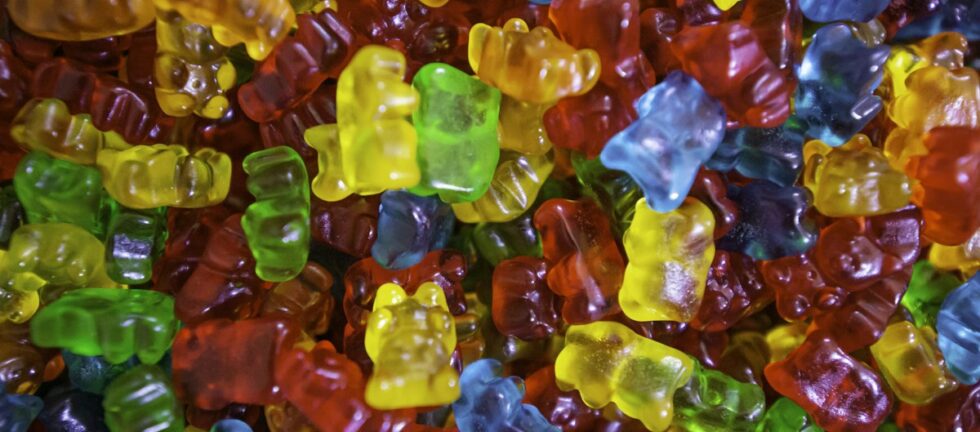

The multi-billion-dollar global confectionery landscape is an engine of sensory delight, product innovation, and consumer nostalgia. From the iconic chew of gummy bears to the airy melt of marshmallows and the glossy shells of coated chews, gelatin has historically served as the undisputed crown jewel of confectionery hydrocolloids. Yet, beneath vibrant packaging and seductive flavor profiles lies an invisible commercial barrier that excludes hundreds of millions of consumers worldwide: the gelatin dilemma. Because commercial gelatin in Western markets is predominantly derived from porcine skins and non-slaughtered bovine hides, mainstream candy aisles remain largely off-limits to halal-observant and kosher-seeking demographics.
For confectionery manufacturers, sweet snack brands, and industrial ingredient developers, this formulation friction represents both a vulnerability and an extraordinary commercial opportunity. Transforming gummy and jelly candy formulations through certified halal bovine collagen or innovative plant-based gelling systems unlocks rapid access to a rapidly growing, multi-trillion-dollar global market. This comprehensive technical guide analyzes the biochemical and theological mechanics of gelatin, evaluates industrial hydrocolloid substitutes, and outlines how Circle H International empowers sweet brands to capture underserved global retail market share.
1. The Scriptural and Theological Status of Gelatin in Islam
In Islamic food jurisprudence (Fiqh), the permissibility of any animal-derived substance is bound to the spiritual status of the source animal. The fundamental moral principle governing food purity is articulated directly in the Holy Quran:
وَيُحِلُّ لَهُمُ الطَّيِّبَاتِ وَيُحَرِّمُ عَلَيْهِمُ الْخَبَائِثَ
(Surah Al-A’raf, Ayah 157)
In scholarly exegesis and classical legal codices, this verse defines the divine mandate to permit that which is inherently wholesome, pure, and beneficial (At-Tayyibat), while forbidding that which is spiritually impure, vile, or harmful (Al-Khaba’ith). When applied to raw material science, gelatin extracted from swine tissues is universally classified as intrinsically impure (Najis), rendering any gummy candy or food product containing it strictly forbidden (Haram).
While some historic legal debates explored whether intensive chemical hydrolysis and thermal extraction constitute complete chemical transformation (Istihalah), modern international halal standardization bodies, including GSO 2055-1, OIC/SMIIC 1, and major global Islamic jurisprudence academies, have definitively concluded that gelatin retains its fundamental biological protein identity. Consequently, chemical processing does not purify porcine collagen. For a gelatin-based confectionery item to achieve certified compliance, it must be extracted either from 100% certified Zabiha bovine sources or derived from aquatic organisms.
2. The Biochemistry of Gelling: Why Gelatin is Difficult to Replace
To understand the formulation challenge facing confectionery R&D teams, one must examine gelatin’s unique physical properties. Gelatin is not merely a thickening agent; it is a thermo-reversible gelling protein with specific functional attributes:
- Thermo-Reversible Melt-in-the-Mouth Profile: Gelatin gels melt at human body temperature (approximately 35°C to 37°C / 95°F to 98°F). This characteristic delivers the signature burst of flavor release and smooth mouthfeel that consumers instinctively associate with premium gummy bears and fruit chews.
- Elasticity and Bloom Strength: Ranging from low Bloom (50–100) to high Bloom (200–280), gelatin provides both elasticity and mechanical clarity, preventing syneresis (water weep) during extended shelf life.
- Foaming and Aeration Stability: In marshmallows and nougats, gelatin acts as a surfactant, stabilizing air bubbles during industrial whipping and creating resilient, pillowy textures.
Because most single plant hydrocolloids lack body-temperature thermo-reversibility, replacing standard gelatin requires sophisticated formulation balancing.
3. Technical Comparison Matrix: Gelatin vs. Plant-Based Hydrocolloids
The table below provides food scientists and procurement directors with a comparative functional benchmark of primary gelling options available in modern candy manufacturing:
| Hydrocolloid Agent | Biological Origin | Texture & Mouthfeel | Melting Behavior | Halal Compliance Status |
|---|---|---|---|---|
| Porcine Gelatin | Pig skin and bones. | High elasticity, smooth, iconic chew. | Melts at body temperature (35°C). | Strictly Prohibited (Haram). |
| Certified Halal Bovine Gelatin | Zabiha-slaughtered cattle hides/bones. | Identical to standard gelatin; premium chew. | Melts at body temperature (35°C–37°C). | 100% Halal Certified (Gold Standard). |
| Pectin (High / Low Methoxyl) | Citrus peels and apple pomace. | Short, tender bite; clean fruit flavor release. | Does not melt in mouth; firm gel. | Inherently Halal & Vegan. |
| Agar-Agar | Red marine algae (Rhodophyta). | Brittle, firm, crumbly texture. | High melting point (85°C); heat stable. | Inherently Halal & Vegan. |
| Carrageenan (Kappa / Iota) | Edible red seaweed. | Elastic gel when combined with locust bean gum. | Moderate melting point (50°C–60°C). | Inherently Halal & Vegan. |
4. Industrial Decision Framework: Formulating for Halal Market Leadership
When confectionery brands approach reformulating gummy and jelly candies, they typically adopt one of two proven commercial strategies:
Strategy A: The Drop-In Replacement (Certified Halal Bovine Gelatin)
For heritage brands with signature gummy textures, switching from porcine to certified halal bovine gelatin allows 100% preservation of sensory profile, production line speeds, depositing temperatures, and cooling tunnel durations. Leading global gelatin producers now manufacture pharmaceutical and confectionery grade bovine gelatin under strict GSO and SMIIC accreditation, enabling drop-in manufacturing without re-engineering packaging molds.
Strategy B: Hybrid Plant Hydrocolloid Synergies
Brands targeting multiple consumer bases simultaneously (Halal, Kosher Pareve, and Vegan) frequently formulate with hydrocolloid blends. Combining citrus pectin with modified potato starch or iota carrageenan with locust bean gum replicates the chewiness of traditional gelatin while providing a certified clean-label plant claim.
5. Supply Chain Risks Beyond Gelatin: Glazing Agents and Colors
Reformulating gelatin is only half the battle. Confectionery auditing under Circle H International benchmarks evaluates auxiliary ingredients that frequently harbor hidden compliance vulnerabilities:
- Glazing and Polishing Agents: To prevent gummies and hard candies from sticking together, manufacturers apply oil coatings. The inclusion of Shellac (E904), derived from lac insect secretions, is rejected under several strict halal standards. Validated formulations utilize carnauba wax, candelilla wax, or certified vegetable oils.
- Natural Red Colorants: Carmine (E120 / Cochineal Extract), harvested from crushed cochineal insects, is widely utilized in red, pink, and purple candies. Under GSO 2055-1 and majority Islamic consensus, carmine is prohibited. Compliant brands substitute beet juice extract, anthocyanins, or lycopene.
- Aroma Carriers: Liquid flavoring essences in sour gummies and fruit drops often use ethyl alcohol as a solvent. Certification audits ensure residual ethanol remains below regional customs thresholds.
6. Why Global Sweet Brands Partner with Circle H International
Capturing the global confectionery market requires more than an isolated ingredient swap; it demands an institutional assurance partner that guarantees cross-border market acceptance. Circle H International provides confectionery enterprises with comprehensive formulation diagnostics, supplier validation, and international accreditation.
When you partner with Circle H International, your brand secures tangible market advantages:
- Formulation Pre-Audit Readiness: Circle H food scientists evaluate your Bill of Materials (BOM), identifying non-compliant glazing agents, colors, and gelling hydrocolloids before formal inspection begins.
- Dual Halal and Kosher Verification: Harmonizing audit protocols for brands formulating with plant hydrocolloids, enabling simultaneous access to Halal and Kosher Pareve markets with zero duplicative auditing costs.
- Public Registry Verification: Authenticated confectionery brands are cataloged on the public Circle H Certification Registry, allowing international customs inspectors and retail distributors to verify certificate legitimacy in real time via secure QR codes.
7. Frequently Asked Questions (FAQ)
Is all beef/bovine gelatin automatically Halal?
No. Bovine gelatin is only halal if extracted from cattle slaughtered in accordance with Islamic Zabiha rites. Gelatin derived from uncertified commercial cattle hides or animals that died through non-compliant methods remains strictly forbidden.
Can pectin completely replace gelatin in gummy bears?
Pectin produces an exceptional, tender bite with superior fruit flavor release, making it popular for gourmet and functional gummies. However, because pectin does not possess the elastic, rubbery chew of gelatin, manufacturers seeking exact gummy bear replication often blend pectin with starch or use certified halal bovine gelatin.
What makes marshmallows particularly challenging for halal compliance?
Marshmallows require high-Bloom gelatin to create and stabilize the whipped air foam structure. Non-halal marshmallows rely exclusively on porcine gelatin. Halal marshmallows require high-grade certified bovine gelatin or specialized plant protein foams (such as modified pea protein).
Unlock High-Growth Halal Confectionery Markets
Whether your enterprise produces gummy candies, marshmallows, premium chocolates, or hard confectionery, Circle H International provides the institutional audit framework required to achieve full halal and kosher certification.
Get Certified with Circle H Today →
Authorized conformity assessment bridging sweet brands with global retail distribution.