

The global economic landscape is undergoing a profound transformation, driven by a demographic and ethical convergence that has birthed a market segment of unparalleled scale and resilience: the Global Islamic Economy. Projected to exceed $10 trillion by 2030, this ecosystem represents not merely a niche religious interest but a fundamental pillar of future global commerce.1 For the United States, a nation that stands as a preeminent global exporter of agriculture, pharmaceuticals, and technological innovation, the Halal market offers a distinct pathway to economic expansion, export diversification, and brand equity enhancement.
However, the bridge between American enterprise and the global Muslim consumer has long been obstructed by a complex, fragmented, and often opaque regulatory environment. The United States lacks a federal definition of “Halal,” leaving manufacturers to navigate a patchwork of state laws, independent certifiers, and inconsistent foreign import requirements.3 This fragmentation acts as a non-tariff trade barrier, increasing operational costs, delaying market entry, and diluting consumer trust.
This comprehensive research report posits that Circle H International (Ⓗ™) represents the necessary paradigm shift required to unlock this market’s full potential. Unlike traditional Certifying Bodies (CBs) that operate on localized standards, Circle H has established itself as the sole globally unified authority, empowered by strategic alliances with apex institutions such as Al-Azhar University, the Organization of Islamic Cooperation (OIC), and the Standards and Metrology Institute for Islamic Countries (SMIIC).5
Through an exhaustive analysis of market data, regulatory frameworks, technical certification processes, and sector-specific opportunities, this report demonstrates how Circle H’s “One-and-Done” certification model provides US companies with a singular, passport-like credential for the global market. By integrating religious authority with scientific rigor—exemplified by its partnership with Nawah Scientific—Circle H offers a robust solution that aligns commercial objectives with the ethical and spiritual values of nearly 2 billion consumers worldwide.7
1. The Global Economic Imperative: Defining the Opportunity
To understand the strategic necessity of Halal certification, one must first grasp the sheer magnitude of the economic engine it represents. The “Halal Economy” has transcended its traditional boundaries of dietary compliance to encompass a holistic lifestyle ecosystem.
1.1 The Quantitative Landscape: Trillions in Motion
The numbers defining the Islamic economy are staggering, reflecting a market that is both massive and rapidly expanding. The global addressable market for Halal products and services is currently valued at approximately $6.25 trillion and is on a trajectory to reach between $9 trillion and $10 trillion by 2030.1 This growth is fueled by a Muslim population that is projected to reach 3 billion by 2060, growing at twice the rate of the global average.
In the United States, the domestic opportunity is equally compelling. The US Halal food market alone was valued at $276.43 billion in 2024 and is forecast to grow to $458.93 billion by 2034, registering a Compound Annual Growth Rate (CAGR) of 5.2%.10 This domestic demand is driven not only by a growing Muslim American population—which is increasingly affluent and brand-conscious—but also by the “crossover” consumer.
Table 1: Comparative Market Projections (2024–2034)
| Market Segment | 2024 Valuation (Approx.) | Future Projection | CAGR | Key Insight |
| Global Halal Meat | $779.7 Billion | $1,779.2 Billion (2034) | 8.6% | Poultry dominates with 56.7% share; critical for US exporters.11 |
| US Domestic Halal Food | $276.4 Billion | $458.9 Billion (2034) | 5.2% | Driven by rising preference for ethically sourced proteins.10 |
| Global Halal Cosmetics | $47.76 Billion | $115.03 Billion (2032) | 11.7% | High growth in “clean beauty” and water-permeable products.12 |
| Islamic Finance Assets | $4.93 Trillion (2023) | $7.53 Trillion (2028) | 8.9% | Strong banking and Sukuk performance; assets grew 21% YoY in 2024.13 |
| Halal Pharmaceuticals | $107.1 Billion (2023) | $148.88 Billion (2028) | 6.8% | Demand for Halal vaccines and gelatin-free capsules.14 |
These figures illustrate a market that is outperforming broader economic indices. For US corporations, the “Halal Premium”—the increased willingness of consumers to pay for certified integrity—offers a route to enhanced margins in an era of tightening commoditization.
1.2 The Evolution of the Halal Consumer
The modern Halal consumer is distinct from previous generations. This demographic is digitally connected, globally aware, and demands a convergence of religious values with modern quality standards. The concept of Tayyib—meaning wholesome, pure, and clean—is increasingly interpreted to include sustainability, animal welfare, and ethical sourcing.
- The Ethical Crossover: There is a substantial overlap between Halal consumers and the “conscious consumer” market. Non-Muslims in the US frequently purchase Halal products, equating the certification with stricter hygiene, humane animal slaughter (Zabiha), and the absence of harmful additives like alcohol or porcine derivatives.15
- The Gen Z Factor: Muslim Gen Z consumers are driving demand for Halal certification in non-traditional sectors such as cosmetics, fashion, and media. They expect the brands they support to carry a certification that reflects their values, just as they might look for “Cruelty-Free” or “Non-GMO” labels.14
Circle H International’s philosophy, “From Local to Global™,” explicitly targets this modern consumer mindset. By positioning the Ⓗ™ brand as a symbol of a “healthy, wholesome, ethical and quality lifestyle,” Circle H enables US brands to capture this wider demographic, effectively creating a “Halo Effect” where the certification enhances brand equity across the board.5
2. The United States Halal Ecosystem: A Market in Flux
While the opportunity is clear, the mechanism for accessing it in the United States is fraught with complexity. The US Halal ecosystem is characterized by a “wild west” of regulatory ambiguity that Circle H aims to civilize.
2.1 The Export Engine and the OIC
The United States is an agricultural titan. In 2024, US agricultural exports totaled $176 billion.17 A significant portion of these exports—including poultry, corn, soy, and processed foods—is destined for OIC member states or countries with significant Muslim populations like Indonesia and Malaysia.
- Poultry: As the US is a leading producer of poultry, which accounts for over 56% of the Halal meat market 11, the potential is immense. However, mechanical slaughter methods common in US high-volume plants are often rejected by strict Halal standards abroad.
- Ingredients: The US exports billions in food preparations and enzymes. These products face intense scrutiny regarding the source of sub-ingredients (e.g., is the vanilla extract alcohol-based? Is the emulsifier animal-derived?).
Without a unified certification that is recognized by the importing country’s government, US goods face rejection at the border. This “regulatory friction” costs US exporters millions annually in lost sales and demurrage fees.
2.2 The Domestic Demand Gap
Domestically, the US market is underserved. Muslims represent a growing segment of the population with immense purchasing power, yet they often struggle to find trustworthy Halal options in mainstream retail.
- Retail Accessibility: While specialized ethnic stores exist, mainstream giants like Walmart, Costco, and Amazon are increasingly seeking certified products to stock their shelves. Circle H certified products are already penetrating these channels, proving that certification is the key to mainstream retail access.5
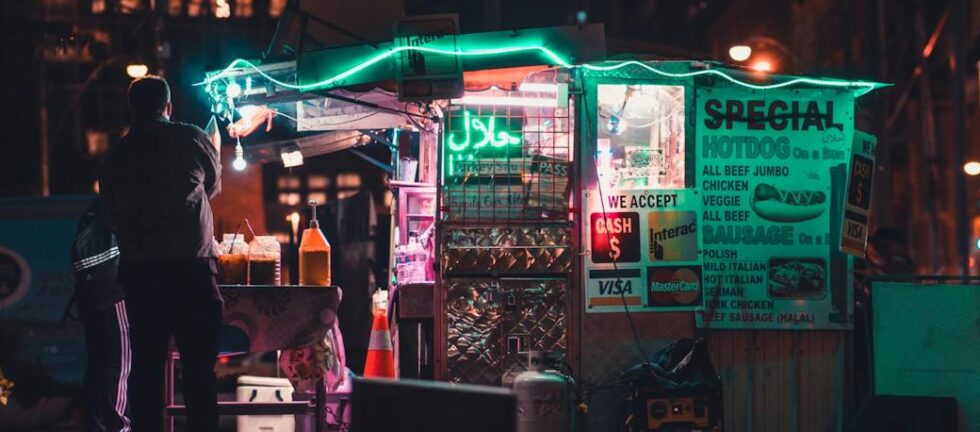
- Food Service: The rise of “Halal Guys” and similar franchises demonstrates the explosion of Halal street food culture. Yet, upstream suppliers (selling bulk sauces, meats, and breads) often lack the certification to serve these franchises efficiently.
3. Regulatory and Legal Frameworks in the USA: The Patchwork Problem
A critical analysis of the legal environment reveals why a unified body like Circle H is not just beneficial, but necessary.
3.1 The Federal Vacuum
Unlike many OIC countries where Halal certification is a state-controlled function, the US government maintains a separation of church and state. Consequently, there is no federal “Department of Halal.”
- FDA: The FDA regulates food safety but explicitly states it does not regulate religious dietary claims. It views “Halal” purely through the lens of truth-in-labeling.15
- USDA FSIS: The Food Safety and Inspection Service requires that any meat or poultry product claiming to be “Halal” or “Zabihah Halal” must be supported by a certificate from an “appropriate third-party authority.” However, the USDA does not accredit these authorities or define what “appropriate” means, creating a low barrier to entry for self-appointed certifiers.15
3.2 State-Level Consumer Protection Laws
In the absence of federal standards, individual states have enacted their own consumer protection laws to combat Halal fraud.
- New Jersey: Requires dealers to file their Halal standards with the state’s Division of Consumer Affairs. It mandates disclosure but does not set the standard.19
- Illinois & California: Specifically make it a misdemeanor to mislabel non-Halal food as Halal. California mandates that restaurants serving both must clearly indicate non-Halal items.20
- Texas: Regulates Halal under truth-in-labeling statutes, requiring retailers to demarcate Halal products to avoid consumer confusion.20
- Maryland: Requires clear display of Halal and non-Halal items.20
Implication for Manufacturers: A US food manufacturer selling nationally must ensure their labeling and certification comply with all these disparate state regulations. A unified certification from Circle H provides the robust documentation and traceability required to satisfy the strictest of these state laws, protecting the brand from legal liability and fraud accusations.
4. The Fragmentation Crisis and the Cost of Inefficiency
The lack of a centralized authority has led to the proliferation of dozens of private Halal Certifying Bodies (HCBs) in the US. This fragmentation is the single biggest challenge facing the industry today.3
4.1 The “Patchwork” of Standards
Different US certifiers operate on different theological interpretations (Madhhabs).
- Stunning: Some certifiers allow reversible electrical stunning of poultry; others mandate hand-slaughter without stunning.
- Mechanical Slaughter: Some accept machine-slaughter with a blessing tape; others reject it entirely.21
- Ethanol: Standards vary on the permissible level of residual ethanol in food and cosmetics (e.g., less than 0.1% vs. 0.5%).
4.2 The Export Bottleneck
This domestic fragmentation causes chaos for exporters.
- Lack of Mutual Recognition: A certificate from a small US agency might be accepted in local Texas shops but rejected by the UAE’s Emirates Authority for Standardization and Metrology (ESMA) or Indonesia’s BPJPH.
- Multiple Audits: To export to multiple countries, a US manufacturer often has to hire multiple certifiers (e.g., one for Malaysia, one for UAE, one for Singapore). This results in “audit fatigue,” where production is constantly interrupted by different inspectors with conflicting requirements.22
4.3 Supply Chain Opacity
Fragmentation makes supply chain verification nearly impossible. If a finished product manufacturer uses a flavoring certified by “Agency A” and a meat source certified by “Agency B,” do they meet the standards of “Agency C” (the final certifier)? This lack of interoperability creates gaps where cross-contamination or non-compliance can occur, risking the Halal integrity of the final product.23
5. Circle H International: The Unified Solution
Enter Circle H International (Ⓗ™). In a landscape defined by division, Circle H creates unity. It is an organization designed not just to certify, but to integrate the entire Halal ecosystem under a single, globally recognized standard.
5.1 The “One-and-Done” Philosophy
Circle H’s value proposition is the “One-and-Done” solution. Instead of juggling five different certificates for five different export markets, a US manufacturer obtains a single Circle H certification. Because Circle H’s standards are aligned with the OIC and backed by global religious authorities, this single certificate is designed to serve as a universal passport for goods.1
Benefits of the Unified Model:
- Cost Reduction: Eliminates duplicate audit fees and administrative overhead.
- Speed to Market: Reduces the lead time for entering new foreign markets.
- Brand Consistency: Allows companies to use a single, recognizable logo (Ⓗ™) on all global packaging, building consistent brand equity.
5.2 Beyond Meat: The 8 Lifestyle Sectors
While most US certifiers are myopically focused on slaughterhouses, Circle H recognizes that the Halal lifestyle is pervasive. It has developed specific standards for eight distinct sectors 5:
- Food & Beverage: Agriculture, manufacturing, retail, and food service.
- Finance & Insurance: Sharia-compliant banking, investment funds, and Takaful (insurance).
- Pharmaceuticals: Drugs, vaccines, and nutraceuticals.
- Cosmetics: Personal care, beauty, and perfumes.
- Travel & Tourism: Hotels, airlines, and travel agencies.
- Fashion: Modest clothing and ethical textiles.
- Media & Entertainment: Content production and digital media.
- Healthcare: Hospitals, clinics, and medical devices.
This multi-sector approach allows Circle H to service complex conglomerates. For example, a hospital group could certify its cafeteria (Food), its patient financing options (Finance), and its medical supplies (Healthcare) all under one Circle H umbrella.
6. The Circle H Standard: Authority and Strategic Alliances
The credibility of a Halal certificate is entirely derived from the authority that stands behind it. Circle H has secured an unprecedented matrix of endorsements that positions it as the “Gold Standard.”
6.1 The Religious Apex: Al-Azhar University
Circle H cites a strategic alliance with Al-Azhar University in Cairo, Egypt.5 Founded in 970 AD, Al-Azhar is widely regarded as the preeminent center of Islamic learning for Sunni Islam. An endorsement from Al-Azhar carries immense theological weight, effectively silencing debates about the validity of the certification standards. For a US company, this means their product is backed by over a millennium of scholarly authority.
6.2 The Political Apex: OIC and SMIIC
The Organization of Islamic Cooperation (OIC) is the second-largest intergovernmental organization after the UN, with 57 member states. Its subsidiary, the Standards and Metrology Institute for Islamic Countries (SMIIC), is tasked with creating the unified global Halal standard.
- Circle H’s standards are aligned with OIC/SMIIC protocols.16
- This alignment is critical because OIC member states are increasingly mandating adherence to SMIIC standards for imports. By adopting Circle H, US exporters are future-proofing their compliance against these shifting geopolitical regulations.
6.3 Strategic Partners and Government Recognition
Circle H has forged alliances with governments and NGOs globally, ensuring its certificate is recognized for regulatory purposes. This includes relationships with bodies in the GCC (Gulf Cooperation Council) and Southeast Asia, the two most lucrative Halal import markets.1
7. Operational Excellence: The Digital Certification Pathway
For US businesses accustomed to modern, efficient B2B services, the traditional Halal certification process—often involving faxed forms and vague timelines—can be frustrating. Circle H has digitized the entire workflow.
7.1 The Digital Ecosystem
Circle H employs a digital platform for application, tracking, and verification. The Circle H Certification Verify System allows retailers and consumers to instantly validate a certificate by scanning a QR code or checking the database, combating the rampant issue of fraudulent certificates.5
7.2 The Four-Step Certification Lifecycle
The process is designed to be transparent and consultative.25
Step 1: Pre-Qualification & Application
- Action: The company submits a digital application via the Circle H portal.
- Data Required: Company details, HS Codes for products, ingredient lists, and plant locations.
- Analysis: Circle H performs a “Pre-Qualification Analysis” to determine feasibility and scope. This includes a pricing proposal. Importantly, an NDA is signed to protect the manufacturer’s proprietary formulas.26
Step 2: Compliance Assessment & Consulting
- Gap Analysis: A specialized Assessment Team (specific to the industry, e.g., Pharma experts for a drug company) reviews the documentation and production flow.
- Consulting: If non-compliance issues are found (e.g., use of alcohol cleaning agents), Circle H provides Compliance Consulting. They don’t just say “fail”; they help the company re-engineer the process to meet standards (e.g., suggesting Halal-certified alternative sanitizers).5
- Training: Circle H offers training modules for the client’s technical staff to ensure ongoing internal compliance.
Step 3: The Audit
- Inspection: Auditors conduct an onsite visit (or virtual audit where permitted) to verify the physical segregation of Halal and non-Halal lines, storage hygiene, and slaughter practices (if applicable).
- Testing: If “Mushbooh” (doubtful) ingredients are present, samples are sent to accredited labs for PCR analysis (see Section 10).
Step 4: Certification & Maintenance
- Issuance: Upon successful audit, the Certification Agreement is signed, and the Ⓗ™ certificate is issued.
- Surveillance: The process doesn’t end. Circle H conducts Periodic Audits to ensure standards are maintained. Renewal requires a fresh audit cycle.25
8. The Science of Integrity: Testing and Validation (Nawah Partnership)
In a market rife with “food fraud,” visual inspection is no longer sufficient. Circle H has pioneered the integration of advanced scientific testing into the Halal certification process through its strategic accreditation of Nawah Scientific.7
8.1 The Role of Nawah Scientific
Nawah Scientific is a leading research center in the MENA region. By accrediting Nawah for Halal Food Testing, Circle H has established a scientific benchmark that few other certifiers can match.
- Accreditation Scope: Nawah is accredited to perform complex analyses to detect non-Halal contaminants.7
- Capabilities: The lab uses advanced chromatography and DNA sequencing technologies to detect trace amounts of porcine DNA, ethanol, or other haram substances that might be hidden in “natural flavorings” or sub-ingredients.
8.2 Why Science Matters for US Exporters
- Risk Mitigation: A product that tests positive for porcine DNA in a destination market like Saudi Arabia can result in a nationwide ban and massive reputation damage. Pre-testing with a Circle H accredited lab mitigates this existential risk.
- Complex Products: For processed foods, pharmaceuticals, and cosmetics, the ingredients are chemically complex. “Trusting” a supplier’s word is risky. Scientific validation provides the empirical evidence required by strict regulators like the FDA and foreign health ministries.27
This “Science + Sharia” approach ensures that Circle H certification is not just a religious opinion, but a scientifically verifiable fact.
9. Sector Analysis I: Food & Beverage – The Foundation
The food sector remains the bedrock of the Halal economy. For US manufacturers, the opportunities extend far beyond fresh meat.
9.1 Meat and Poultry: The Billion-Dollar Opportunity
With poultry dominating the global Halal meat market (56.7% share), US chicken producers are sitting on a goldmine.11
- The Challenge: Mechanical slaughter and stunning.
- The Circle H Solution: Circle H audits verify that slaughter methods comply with OIC standards (Zabiha). For producers willing to adapt a line to hand-slaughter or compliant mechanical slaughter (where accepted), Circle H opens access to markets that currently ban US poultry.
9.2 Processed Foods and Ingredients
This is where the “hidden” Halal market lies.
- Enzymes & Emulsifiers: US companies produce vast quantities of enzymes for cheese, baking, and brewing. These often use animal-derived media. Circle H certifies microbial or plant-based alternatives.
- Flavorings: Alcohol is a common carrier for flavors (e.g., vanilla extract). Circle H ensures that the final product contains less than the permissible ethanol threshold (often < 0.1% or < 0.5% depending on the standard), opening the confectionery and beverage markets.28
- Bakery: L-cysteine (a dough conditioner) is often derived from human hair or duck feathers (potentially non-Halal). Circle H verifies the source is synthetic or from Halal-slaughtered feathers.29
9.3 Supply Chain and Logistics
Halal integrity can be lost in transit.
- The Issue: A Halal pallet of beef stored next to pork in a refrigerated container is considered cross-contaminated.
- The Solution: Circle H certifies logistics providers, ensuring “Halal Supply Chain Management” (HSCM). This includes dedicated storage areas and ritual cleansing (Sertu) of containers if they previously held pork.30
10. Sector Analysis II: Pharmaceuticals & Healthcare – The New Frontier
The pharmaceutical sector is projected to reach $148 billion by 2028.14 Halal certification here is about purity and the absence of forbidden inputs.
10.1 Vaccines and Biologics
- Trypsin: Many vaccines use porcine trypsin in the cell culture process. This became a major issue during the COVID-19 vaccine rollout in Muslim countries.
- Solution: Circle H certifies the entire production process, validating the removal of porcine elements or the use of bovine/recombinant alternatives. This is critical for US biotech firms exporting to Indonesia, where Halal certification for drugs is becoming mandatory.32
10.2 Gelatin and Capsules
- Hard & Soft Gels: Most capsules are made from gelatin (often porcine). Circle H certifies bovine (from Halal animals) or vegetable (HPMC) capsules.
- Market Impact: A US supplement manufacturer (e.g., Vitamin D, Omega 3) can instantly capture the Muslim demographic by switching to a Circle H certified capsule. The US Halal nutraceutical market is a massive growth area.33
10.3 Medical Devices
Circle H has certified companies like MicSafe Medical Group for syringes and needles.9
- Why? Lubricants on needles or plasticizers in IV bags can be animal-derived. Ensuring these are Halal adds a layer of ethical assurance that is increasingly demanded by hospitals in the GCC.
11. Sector Analysis III: Cosmetics & Personal Care – The Ethical Convergence
The Halal cosmetics market is exploding, driven by the “Clean Beauty” trend. It is forecast to grow at a CAGR of 11.67% through 2032.12
11.1 The “Wudu” Factor
Muslims perform Wudu (ablution) before prayer, which involves washing the face and arms. Standard nail polish creates a barrier to water, invalidating the Wudu.
- Innovation: “Breathable” or water-permeable nail polish is a massive trend. Circle H certifies the permeability of these products, validating the “Halal” claim for consumers.12
11.2 Alcohol and Animal Derivatives
- Ingredients: Collagen (often porcine), keratin, and stearic acid are common in creams. Ethanol is common in toners.
- Compliance: Circle H enforces strict bans on these, pushing manufacturers toward plant-based or synthetic alternatives. This aligns perfectly with the secular “Vegan” and “Cruelty-Free” markets. A US cosmetics brand certified by Circle H effectively gets a “two-for-one” marketing benefit: appeal to Muslims and appeal to ethical secularists.34
12. Sector Analysis IV: Islamic Finance & Investment
Islamic finance assets are nearing $5 trillion.14 The US financial sector is a key player in global capital markets.
12.1 US-Based Islamic Finance
- Investment Funds: Circle H certifies investment funds (like AmwalUS Investment Company 35) to ensure they do not invest in prohibited industries (alcohol, gambling, pork, weapons).
- Banking: US banks offering Sharia-compliant mortgages or wealth management services can use Circle H certification to build trust with Muslim clients who are skeptical of “window dressing” compliance.
12.2 Fintech and Crypto
- Innovation: As Fintech grows, the need to certify crypto-assets and digital wallets as Sharia-compliant is rising. Circle H is positioned to audit the underlying algorithms and business models of these Fintech startups.
13. Sector Analysis V: Lifestyle Sectors (Travel, Fashion, Media)
Circle H’s holistic approach covers sectors ignored by other bodies.
13.1 Travel & Tourism
- Halal Friendly Hotels: Circle H certifies hotels that offer Qibla direction in rooms, Halal food options, and alcohol-free zones. For US hotel chains (Marriott, Hilton), this is a key differentiator for attracting high-net-worth Gulf tourists.1
13.2 Modest Fashion
- Textiles: While wool and cotton are Halal, leather goods must come from Halal-slaughtered animals (pigskin is Haram). Circle H certifies the supply chain for leather accessories, a niche but high-value market for US luxury brands.14
13.3 Media & Entertainment
- Content: Circle H certifies media content that adheres to Islamic ethical values (family-friendly, no nudity/profanity). This is relevant for US production houses aiming to distribute content in conservative markets like Saudi Arabia.7
14. The Economic Case: ROI and Export Competitiveness
Adopting Circle H certification is a strategic financial decision.
14.1 Return on Investment (ROI)
Data suggests that Halal certification delivers an 11X ROI.5
- Customer Loyalty: Halal consumers are brand loyal. Once they find a certified brand, they stick with it. 34% more retention is observed.5
- Market Access: Access to a $10 trillion global market vs. a limited domestic market.
14.2 The “Halo” Effect for Private Label
For US retailers (Costco, Walmart) developing private label goods (Kirkland, Great Value), Circle H certification is a low-cost, high-impact way to increase the total addressable market (TAM) of a product line. It signals quality to all consumers, not just Muslims.5
14.3 Export Competitiveness vs. Brazil and EU
Brazil is the world’s largest Halal meat exporter. The EU is aggressive in Halal processed foods. The US has lagged due to certification fragmentation. Circle H levels the playing field, giving US exporters the unified credential needed to compete with Brazil’s centralized Halal system.36
15. Strategic Roadmap for US Enterprises
How should a US CEO approach this?
15.1 Phase 1: Assessment & Internal Audit
- Use the Halal Internal Audit Checklist.37
- Identify all raw materials. Are specification sheets available?
- Map the production flow. Where are the cross-contamination risks?
15.2 Phase 2: Partnering with Circle H
- Submit the application.
- Engage in the Consulting phase. Don’t fear the gaps; fix them with Circle H’s help.
- Train the staff. Cultural competency is key to preventing accidental non-compliance (e.g., an employee eating a ham sandwich on the production line).
15.3 Phase 3: Activation
- Labeling: Apply the Ⓗ™ logo prominently.
- Marketing: Launch campaigns targeting the Muslim demographic during Ramadan (peak consumption).
- Export: Leverage the certificate to open conversations with distributors in the GCC and Southeast Asia.
16. Challenges and Risk Mitigation
16.1 Supply Chain Transparency
The biggest hurdle is getting suppliers to disclose ingredients.
- Mitigation: Circle H’s strict NDA policy reassures suppliers. Companies must mandate “Halal-ready” specs in their procurement contracts.23
16.2 Cross-Contamination
- Risk: Shared lines with pork or alcohol.
- Mitigation: Validated cleaning protocols (Sertu) utilizing clay and water, verified by ATP swabbing or lab testing.23
16.3 Cost Perception
- Risk: Viewing certification as a “cost center.”
- Mitigation: Reframe it as a “revenue generator.” The cost of certification is a fraction of the potential revenue from the Halal market.40
Conclusion
The convergence of demographics, economics, and ethics has created a Global Islamic Economy that is too large for any major US corporation to ignore. The days of treating Halal as a niche, ethnic interest are over. It is now a global standard of quality, safety, and ethical assurance.
For the United States, the path to leadership in this market has been obscured by regulatory fragmentation and a lack of unified standards. Circle H International removes these obstacles. By offering a unified, globally authorized, and scientifically rigorous certification, Circle H provides the infrastructure US companies need to seamlessly connect with 2 billion consumers.
The Ⓗ™ brand is more than a logo; it is a strategic asset. It represents a commitment to the “Tayyib” lifestyle—wholesome, ethical, and universal. For US manufacturers, the choice is clear: continue to navigate a maze of conflicting local standards, or adopt the unified solution that opens the world.
In the race for the $10 trillion future, Circle H is the passport.
Report Authored By:
Senior Industry Analyst & Global Market Strategist
Specializing in the Islamic Economy & Regulatory Compliance
December 2, 2025